
Wondering if you have PTSD?
Don’t keep suffering alone-we are here to help

Have you had a traumatic event that you can’t get past?
Are you having symptoms that feel severe and are significantly hampering your life?
Post-traumatic stress disorder is a severe reaction to a traumatic event. Symptoms may start within three months, or not appear for years but they can feel overwhelming and cause significant problems in your life functioning.
There are four types of PTSD symptoms: intrusive memories, avoidance, negative changes in thinking and mood, and/or changes in emotional reactions.
Symptoms of intrusive memories may include:
- Recurrent, unwanted distressing memories of the traumatic event
- Reliving the traumatic event as if it were happening again (flashbacks)
- Upsetting dreams about the traumatic event
- Severe emotional distress or physical reactions to something that reminds you of the event
Symptoms of avoidance may include:
- Trying to avoid thinking or talking about the traumatic event
- Avoiding places, activities or people that remind you of the traumatic event
Symptoms of negative changes in thinking and mood may include:
- Negative feelings about yourself or other people
- Inability to experience positive emotions
- Feeling emotionally numb
- Lack of interest in activities you once enjoyed
- Hopelessness about the future
- Memory problems, including not remembering important aspects of the traumatic event
- Difficulty maintaining close relationships
Symptoms of changes in emotional reactions (also called arousal symptoms) may include:
- Irritability, angry outbursts or aggressive behavior
- Always being on guard for danger
- Overwhelming guilt or shame
- Self-destructive behavior, such as drinking too much or driving too fast
- Trouble concentrating
- Trouble sleeping
- Being easily startled or frightened
PTSD symptoms can vary in intensity over time. You may have more PTSD symptoms when you’re stressed in general, or when you run into reminders of what you went through. For example, you may hear a car backfire and relive combat experiences. Or you may see a report on the news about a sexual assault and feel overcome by memories of your own assault.
When to seek help
If you have disturbing thoughts and feelings about a traumatic event for more than a month, if they’re severe, or if you feel you’re having trouble getting your life back under control, we are ready to help you start healing today.
We understand that dealing with the past is scary but a cycle of avoidance keeps you from talking to others about your experiences. Our trauma specialists have an effective toolkit of techniques and skills that are clinically proven to help your body and mind recover and heal. Whether you’ve experienced childhood physical and/or sexual abuse, emotional neglect, rape, violence, war or disasters – you can regain your strength to meet the challenges ahead. The most important part of therapy is working with a professional you trust in an environment that feels safe. We want to prevent you from feeling re-traumatized, so our counselors never force you to go further than you can handle.
Effective help for PTSD-EMDR Therapy
Eye Movement Desensitization and Reprocessing (EMDR) is a procedure that rapidly helps individuals resolve painful or disturbing memories. It is a relatively new development in psychology, originally designed to help survivors of trauma. It is effective for PTSD as well as less traumatic memories that may be difficult to emotionally process. There are a number of phases in an EMDR treatment, but the focus is on the client thinking about a particular memory while moving his/her eyes in a side-to-side motion. This motion, called bilateral stimulation, appears to help facilitate communication between both hemispheres of the brain.
Trauma and abuse therapy will help you:
- Regain your sense of self
- Relieve of depression and anxiety
- Resolve painful or disturbing memories
- Create a new story for your future, and feel happy again
Members of our staff are highly trained in EMDR and other therapies including Cognitive Behavioral Therapy (CBT), family therapy to help your loved ones understand how to be supportive, breathing/relaxation skills, and/or a referral to a qualified professional for medications that can help.
Contact us today with your specific situation and we will answer any questions and get you started on the path to healing. We accept many insurance plans and offer evening and weekend appointments for your convenience.

If you are ready to begin
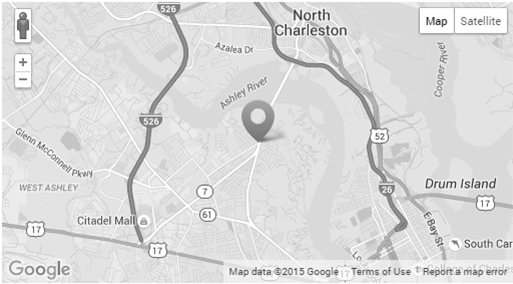
Locations:

No matter where you are feeling stuck, there is hope.